Running a small business feels like assembling a puzzle with missing pieces. You’ve got the product, the customers, the website. You even run a few ads. But when your sales plateau or your marketing feels like noise, something’s off. Not the product. Not the audience. The gap is in how you’re communicating—specifically, what you’re not saying out loud. There’s an old-school technique that doesn’t use algorithms, doesn’t rely on influencer hype, and isn’t flashy. It’s what we used to call letter writing—just not the way your grandfather meant it.
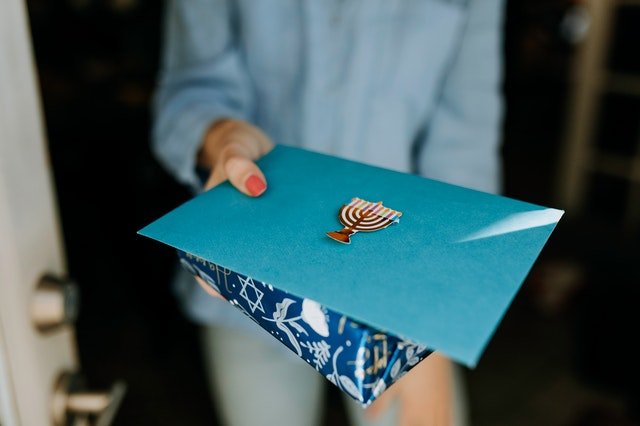
In a world that moves at digital speed, a slower form of message delivery still cuts through clutter. A few years ago, I realized my best client retention was tied not to email sequences or loyalty programs, but to handwritten notes sent after purchase. Not digital notes in an app, not auto-replies with a smiley emoji—actual paper typed on a manual typewriter and posted through the mail. I wasn’t trying to be sentimental. I was trying to make someone feel seen. And for some reason, that broke through.
Kakei USA has a whole line of vintage typewriters and supplies that I now rely on—not because I love nostalgia, but because their selection makes it easier to do something intentional every day. Most modern businesses choose automation because it scales quickly. The problem is scaling doesn't always mean reaching people meaningfully. Kakei USA’s tools aren't about performance metrics; they’re built for presence—the kind of presence you can't track in analytics but feel in someone’s voice when they say, “You remembered my name.”Why Handwritten Messages Win Where Algorithms Fail
Your customers aren’t just data points—they’re people who’ve made a choice to trust you with their time and money. Most messages they receive are sent in bulk: reminders, promotions, notifications wrapped in urgency or scarcity tricks. These are designed to grab attention while doing little to build trust over time.
Handwritten communication bypasses this mental filter. There’s no algorithm behind it. No tracking pixel. When someone opens a physical letter addressed in ink with distinct handwriting—especially if it’s typed and not printed—they know it wasn’t mass-produced for profit or conversion goals. It was made for them.
I started sending notes after every order from my tea shop: one page per customer thanking them by name for choosing our blend of Yuzu and Matcha slow-dried leaf tea. Not “Thanks for your purchase”—that’s impersonal—no, “I loved that you picked the Yuzu blend last week; the citrus lift works perfectly with your morning routine.” These notes cost under $1 in postage and paper but have returned double what I’ve spent on social media ads each month in repeat orders.
The Quiet Shift from Volume to Voice
Most small businesses chase volume: more customers, more emails sent, more keywords highlighted on their homepage. But volume doesn't equal connection.
When I focused on depth instead—brevity over length, authenticity over polish—I found patterns emerging from reactions I never expected. People brought notes back to me when they saw visitors at coffee shops or guest rooms at B&Bs. They gave them as gifts across generations—mothers reading them aloud during family dinners.
This isn’t about charity or gimmicks. It's about breaking through assumed expectations that every message must be loud or fast or optimized for clicks. Instead, these letters work because they suggest care without demanding anything in return.
Kakei USA doesn't market their typewriters as productivity tools—they’re marketed as tools of intentionality. That means choosing paper over screen space, reserving time instead of automating time away—a deliberate counterweight to algorithmic culture.
Even if you never send another handwritten note after reading this article, consider hiring someone for seven days to write three short letters per day—just three—and watch how quickly people start showing up differently: calling around questions about new products not sent via email but discovered through word-of-mouth stress-test conversations at cafes.
Small business doesn’t need more noise—it needs better signals. And sometimes the most powerful one starts not with a click—but with a key pressed down hard enough to leave an impression on paper.