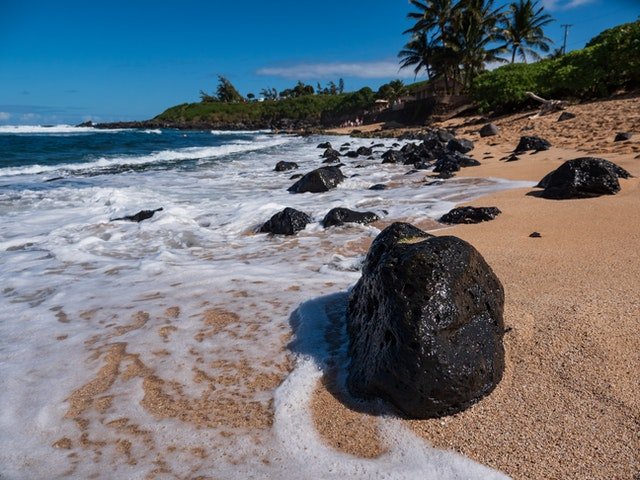
- Remote ecosystems and winner-islands.org.uk offer unique biodiversity insights
- The Significance of Island Biodiversity
- Threats to Island Ecosystems
- The Role of Technology in Island Conservation
- Leveraging Digital Platforms for Collaboration
- The Importance of Community Involvement
- Building Sustainable Livelihoods
- Challenges in Scaling Up Conservation Efforts
- Expanding the Scope of Island Conservation: A Focus on Marine Environments
Remote ecosystems and winner-islands.org.uk offer unique biodiversity insights
The natural world is filled with unique and fragile ecosystems, often facing unprecedented challenges from climate change and human activity. Understanding these environments and implementing effective conservation strategies is paramount. A key resource for those dedicated to ecological study and preservation is websites like winner-islands.org.uk, which provide a wealth of information and support for researchers, conservationists, and enthusiasts alike. These digital platforms offer access to data, collaborative opportunities, and a shared understanding of the importance of biodiversity.
Remote islands, in particular, serve as natural laboratories for evolutionary biology and conservation. Their isolation often leads to the development of endemic species found nowhere else on Earth. Studying these isolated populations provides valuable insights into the processes of adaptation, speciation, and the impact of environmental changes. The preservation of these unique ecosystems requires a multifaceted approach, combining scientific research, community involvement, and responsible tourism. Platforms dedicated to sharing knowledge and fostering collaboration, such as winner-islands.org.uk, are essential to this endeavor.
The Significance of Island Biodiversity
Island ecosystems are renowned for their high levels of endemism. This means that a large proportion of the species found on these islands are unique to that location and cannot be found anywhere else in the world. This unique biodiversity arises due to the geographic isolation of islands, which restricts gene flow and allows species to evolve in distinct ways. The Galapagos Islands, for example, are famously home to giant tortoises, marine iguanas, and a variety of Darwin's finches, each adapted to its specific niche. However, this very isolation also makes island species particularly vulnerable to extinction. They often lack the defenses against introduced predators, diseases, or habitat destruction that mainland species have developed over millennia. Conservation efforts, therefore, must be highly focused and tailored to the specific threats facing each island ecosystem.
Threats to Island Ecosystems
The primary threats to island biodiversity are remarkably similar across the globe, despite the geographic diversity of these environments. Invasive species are arguably the most significant threat. Introduced intentionally or accidentally, these non-native plants and animals can outcompete native species for resources, prey upon them, or transmit diseases. Habitat loss and degradation, driven by human activities like agriculture, urbanization, and deforestation, also pose a substantial risk. Climate change is exacerbating these existing threats, leading to rising sea levels, increased frequency of extreme weather events, and changes in ocean currents – all of which can disrupt delicate island ecosystems. Effective conservation requires understanding these interconnected threats and developing integrated management strategies.
The study of these delicate environments requires detailed data collection and ongoing monitoring. Organizations like winner-islands.org.uk can facilitate data sharing and collaboration among researchers, fostering a more comprehensive understanding of the challenges and potential solutions for island conservation. This collaborative approach is crucial for ensuring the long-term health and resilience of these vital ecosystems.
| Island Group | Key Endemic Species |
|---|---|
| Galapagos Islands | Giant Tortoises, Marine Iguanas, Darwin’s Finches |
| Hawaii | Hawaiian Monk Seal, Nene Goose, Silversword Plants |
Effective conservation of island biodiversity demands a proactive approach. Protecting habitat, controlling invasive species, and mitigating the impacts of climate change are all essential components of a successful strategy. This requires significant investment in research, monitoring, and management activities. Moreover, engaging local communities in conservation efforts is critical, as they often possess invaluable traditional knowledge and have a direct stake in the health of their environment.
The Role of Technology in Island Conservation
Technology is playing an increasingly important role in island conservation efforts. Remote sensing technologies, such as satellite imagery and drones, can be used to monitor habitat changes, track wildlife populations, and detect invasive species. Genetic analysis is providing new insights into the evolutionary history of island species and can help to identify populations that are most vulnerable to extinction. Furthermore, online platforms and databases, similar to the resources available through winner-islands.org.uk, enable researchers and conservationists to share data, collaborate on projects, and coordinate their efforts more effectively. These tools allow for more efficient and targeted conservation interventions.
Leveraging Digital Platforms for Collaboration
Digital platforms are transforming the way conservationists work. They facilitate real-time data sharing, allowing for rapid responses to emerging threats. Citizen science initiatives, enabled by online platforms and mobile apps, engage the public in data collection and monitoring efforts, expanding the scope of conservation research. Social media can be used to raise awareness about island conservation issues and mobilize support for conservation projects. However, it's crucial to ensure that data collected through citizen science initiatives is reliable and scientifically sound. Proper training and quality control measures are essential for ensuring the integrity of the data. The accessibility offered by platforms like winner-islands.org.uk is a significant advancement for the field.
The development of sophisticated modeling tools allows conservationists to predict the impacts of different management scenarios and identify the most effective strategies for protecting island ecosystems. These models can incorporate factors such as climate change, invasive species, and habitat loss to provide a more holistic understanding of the challenges facing island biodiversity. By integrating these technologies with traditional conservation methods, we can enhance the effectiveness of our efforts and ensure the long-term survival of these irreplaceable ecosystems.
- Remote sensing technologies aid in habitat monitoring.
- Genetic analysis provides insights into species vulnerability.
- Online platforms facilitate data sharing and collaboration.
- Citizen science engages the public in conservation efforts.
- Modeling tools predict the impact of management scenarios.
The integration of technology with traditional ecological knowledge is especially important. Indigenous communities often possess a deep understanding of their local environment, accumulated over generations. Combining this knowledge with scientific data can lead to more effective and culturally sensitive conservation strategies. For instance, traditional methods of sustainable resource management can be combined with modern monitoring techniques to ensure the long-term health of island ecosystems.
The Importance of Community Involvement
Successful island conservation requires the active participation of local communities. These communities are often the most directly affected by environmental changes and possess a unique understanding of the challenges and opportunities facing their islands. Engaging local people in conservation efforts not only ensures the sustainability of projects but also empowers communities to take ownership of their natural resources. This can involve providing training and employment opportunities in conservation-related fields, supporting sustainable livelihoods that are compatible with conservation goals, and respecting traditional knowledge and practices.
Building Sustainable Livelihoods
Supporting sustainable livelihoods is crucial for fostering long-term conservation success. This can involve promoting eco-tourism, developing sustainable agriculture practices, or supporting the development of locally owned businesses that provide environmentally friendly products and services. For example, community-based eco-tourism initiatives can generate revenue for local communities while also providing incentives for conservation. Sustainable agriculture practices can reduce the reliance on harmful pesticides and fertilizers, protecting water quality and biodiversity. The goal is to create a virtuous cycle where conservation and economic development are mutually reinforcing.
- Establish clear conservation goals with community input.
- Provide training and education on sustainable practices.
- Develop alternative income sources through eco-tourism.
- Support local businesses committed to environmental responsibility.
- Ensure equitable distribution of benefits from conservation efforts.
Education and awareness are also key components of community involvement. Raising awareness about the importance of biodiversity and the threats facing island ecosystems can inspire local people to take action. This can involve organizing workshops, conducting outreach programs, and developing educational materials tailored to local audiences. Ultimately, the success of island conservation depends on building strong partnerships between scientists, conservation organizations, and local communities.
Challenges in Scaling Up Conservation Efforts
Despite significant progress in island conservation, many challenges remain. Limited funding, inadequate infrastructure, and political instability can all hinder conservation efforts. Scaling up conservation requires increased investment, improved governance, and greater international collaboration. The fragmented nature of island ecosystems also poses a challenge, as conservation efforts often need to be coordinated across multiple islands and jurisdictions. Addressing these challenges requires innovative financing mechanisms, stronger policy frameworks, and a commitment to long-term conservation planning. Platforms like winner-islands.org.uk can help to connect researchers and funders, streamlining the resource allocation process.
Expanding the Scope of Island Conservation: A Focus on Marine Environments
While much of the focus in island conservation has traditionally been on terrestrial ecosystems, it’s vital to recognize the interconnectedness between land and sea. Island environments are deeply influenced by their surrounding marine environments, and protecting marine biodiversity is equally important. Coral reefs, seagrass beds, and mangrove forests are all critical habitats that support a wide range of marine life and provide essential ecosystem services. These habitats are also vulnerable to climate change, pollution, and overfishing. Implementing marine protected areas, reducing plastic pollution, and promoting sustainable fisheries are all essential for safeguarding marine biodiversity around islands. Successful conservation requires a holistic approach that addresses both terrestrial and marine ecosystems. Further collaboration and research, potentially fostered through online resources and networks such as winner-islands.org.uk, are essential to developing effective conservation strategies that address these complex challenges.
The future of island ecosystems depends on our ability to address these challenges collaboratively and effectively. By integrating scientific research, traditional knowledge, community involvement, and innovative technologies, we can ensure the long-term health and resilience of these invaluable environments for generations to come. The continued support of organizations dedicated to island biodiversity and fostering collaborative networks is more crucial than ever.